A Wealth of Common Sense. Investor, author, and host of Animal Spirits podcast, focuses on simplifying finance for everyone; has backed over 200 companies.
Today’s Animal Spirits is brought to you by WisdomTree:
This episode is sponsored by WisdomTree. To learn more about USFR, visit https://www.wisdomtree.com/us/products/fixed-income/usfr?utm_source=compound&utm_medium=referral
On today’s show, we discuss:
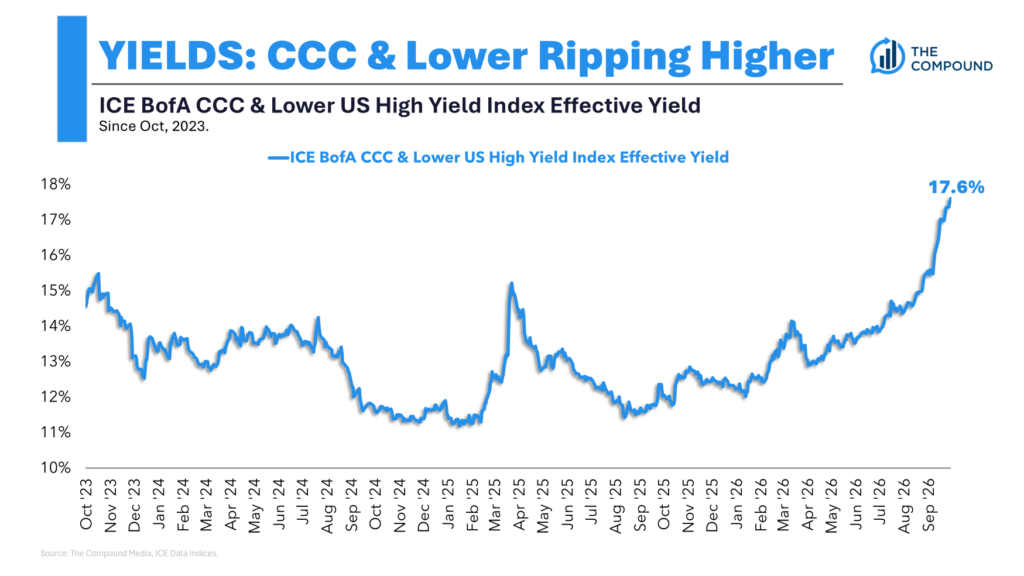
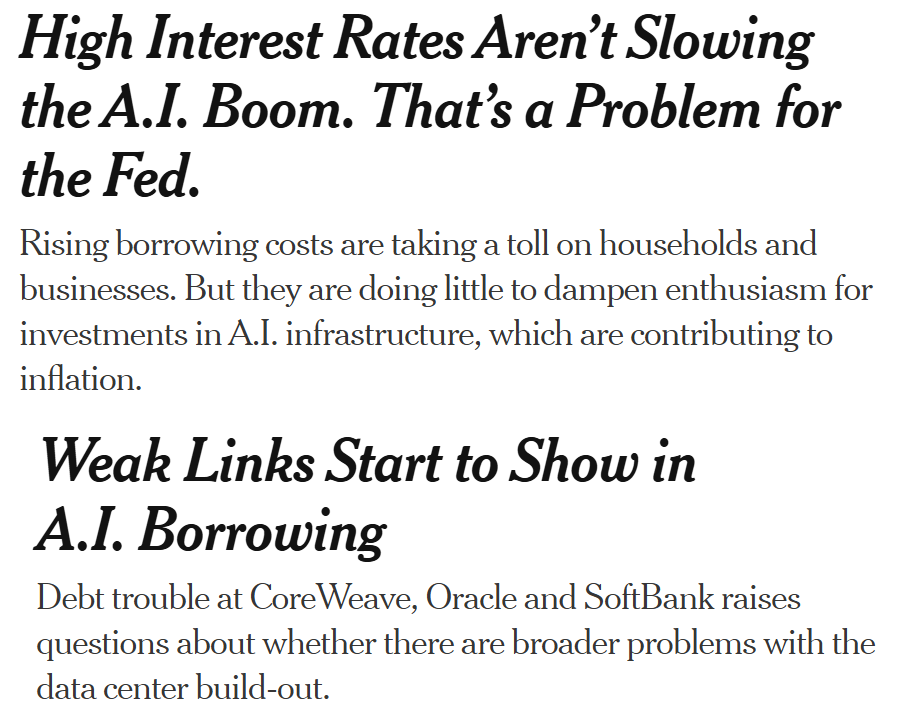
High Interest Rates Aren’t Slowing the A.I. Boom. That’s a Problem for the Fed.
Weak Links Start to Show in A.I. Borrowing
CoreWeave&...
In the fall of 2022, the inflation rate peaked at more than 9%:
At the time a recession was a foregone conclusion:
It was a ‘when’ not an ‘if’ as far as most people were concerned.
The stock market bottomed in October 2022 with the S&P 500 in a 25% drawdown and the Nasdaq 100 more than 35% off all-time highs. Inflation was showing no signs of slowing down.
The very next month OpenAI released ...
Today’s Talk Your Book is brought to you by Victory Capital:
To learn more about Victory Capital click here: www.vcm.com
On today’s show, we discuss:
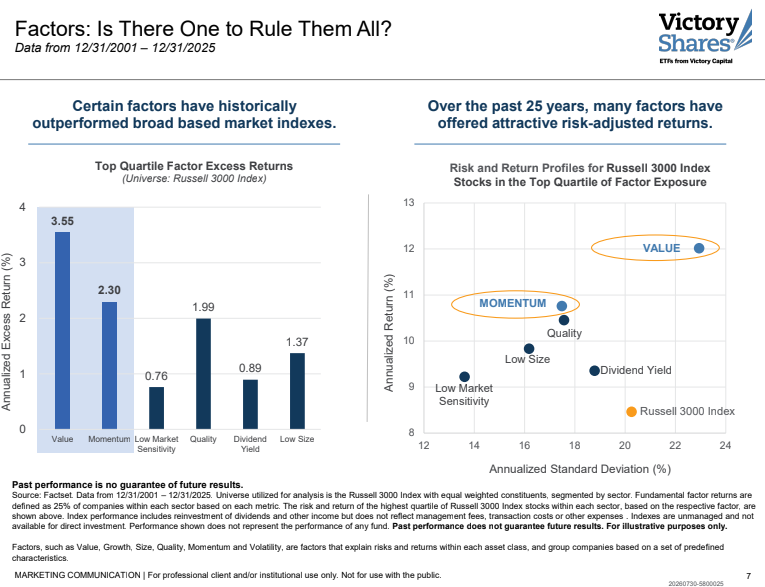
Why value and momentum can be complementary factors
How buffering rebalances can help keep turnover low compared to pure momentum
Why surging AI and semiconductor earnings are turning former momentum names into value stocks
Using sector-relative scoring an...
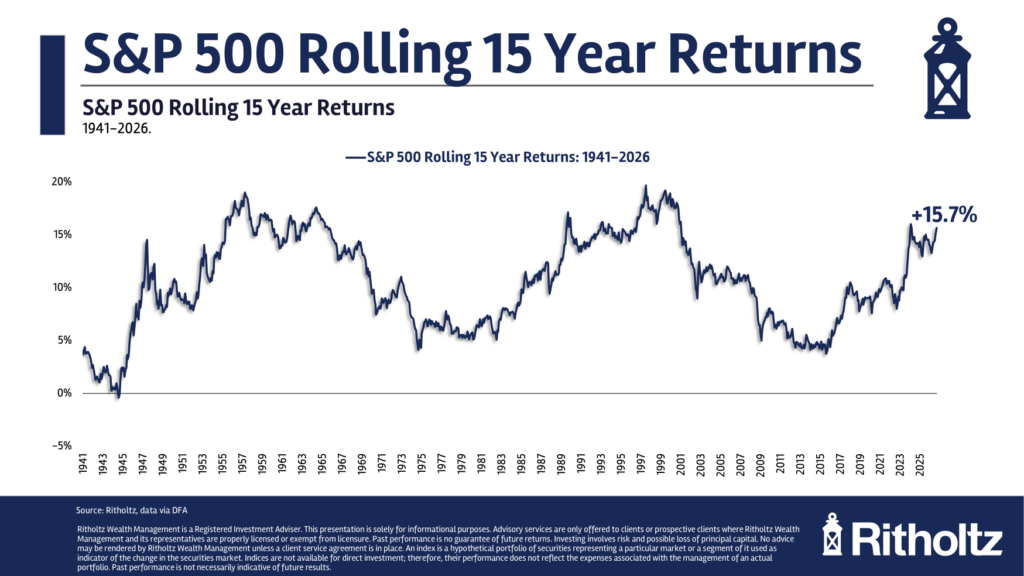
Through the end of September, these are the annual returns over various time frames for the S&P 500:
3 years +22.9%
7 years +16.2%
10 years +15.3%
15 years +15.7%
20 years +11.2%
30 years +10.3%
40 years +11.5%
50 years +11.9%
The average annual return over the past 100 years or so is 10% per year.
Everything from 20 years to 50 years are pretty close to the long-term average. But 15 years and down the returns are s...
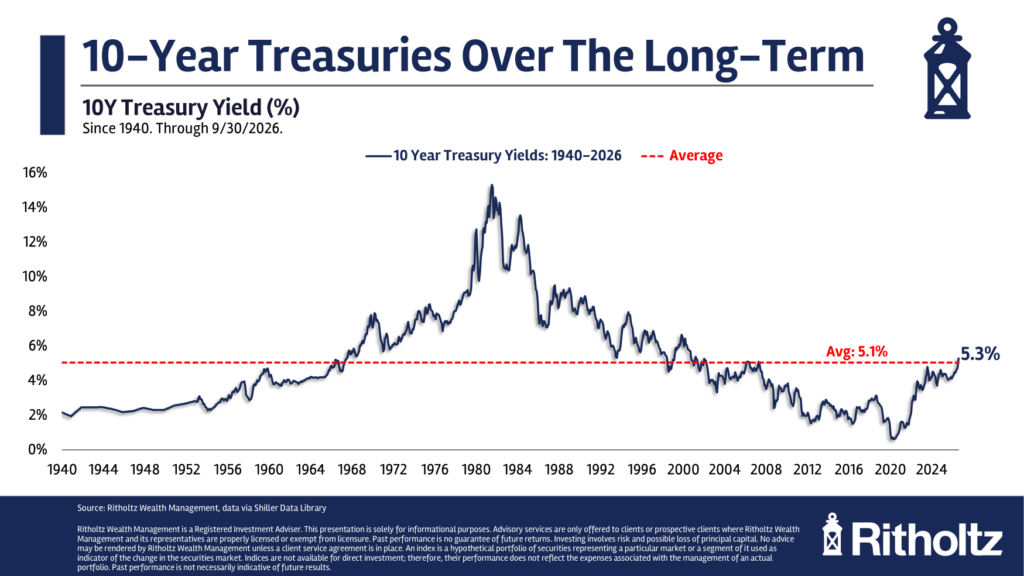
Edward Chancellor’s The Price of Time provides a wonderful explanation of the importance of interest rates in a functioning economic system.
Interest rates help determine how we value money today versus money in the future.
Interest rates shape how businesses and households think about saving, investing, borrowing and taking on risk.
Chancellor does a better job than I could at explaining why rates are so important ...
Bill Sweet joined us this week to chop it up with questions about Roth IRA conversions, how to buy bonds, asset location for Roth IRAs, the 10 year rule and how depreciation works for rental properties.
Further Reading:
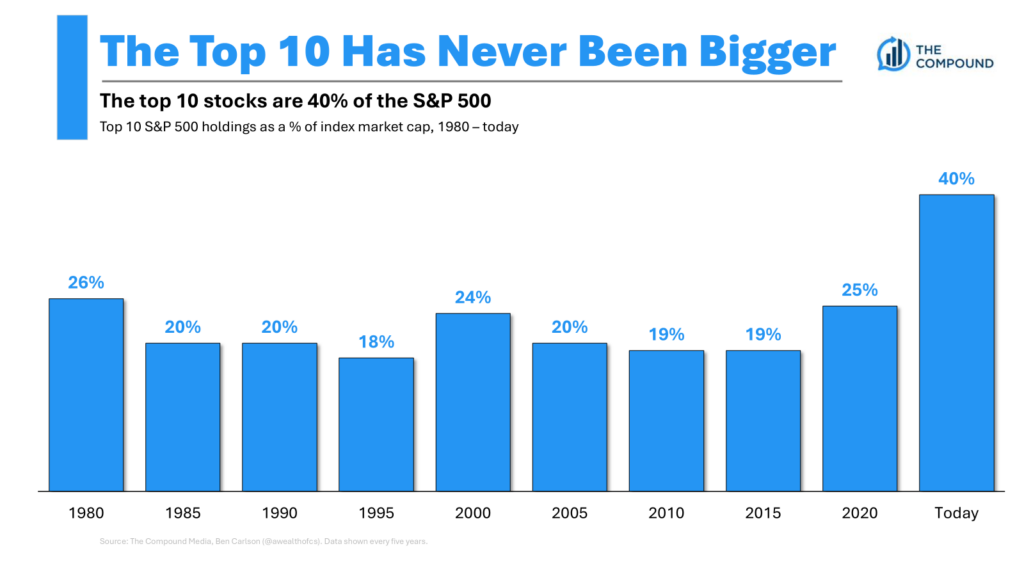
The New Normal of Stock Market Concentration
The post Hedging the AI Trade appeared first on A Wealth of Common Sense.
...