

2026-04-29 21:16:12
I participated in Famicase again this year. This year's game is Unicorn Gumball, and here's the description: 時は25XXUT(ユニコーン・タイムライン)。群れは落ち着かない。角は輝きを失い、魔法の森に影が伸びる。ユニ
コーン一族の生存と魂は危機に瀕している。しかしあなたは試練に立ち向かう。そしてガムボールを作るのだ。 ベリーベリー、ロッキーロード、夏嵐、泥炭などの人気フレーバーを売ってユニコーン一族を救え! ジャンル:お菓子店経営シミュレーター、ローグライク、ピンボール Or in English: The year is 25XXUT (Unicorn Timeline). The herd is restless. Horns lose their sparkle, and a shadow stretches over the magic forest. The survival and soul of the unicorn tribe are at a crisis. But you will rise to the occasion. You will make gumballs. Sell popular flavors like Berry Berry, Rocky Road, Summer Storm, and Peat to save the unicorn tribe! Genre: Sweet Shop Simulator, Roguelike, Pinball The original idea for this was a throwaway game description I made to fill in a template for Tokyo Indies. Someone said I should actually make the game, and while that hasn't happened the idea stuck with me, so I used it for this year's cartridge. For visual inspiration I was mindful of what has been called The Groovy Look. In particular I was mindful of Bob Pepper's work in Dragonmaster (see also all cards), which I managed to pick up a copy of last year. If I had more time and experience I might have tried to emulate the airbrush look, but I ended up keeping things flat. I've been doing this a long time and I always end up wishing I started earlier... This was my eleventh year participating in Famicase. Looking forward to next year! Ψ
2026-01-23 17:18:33
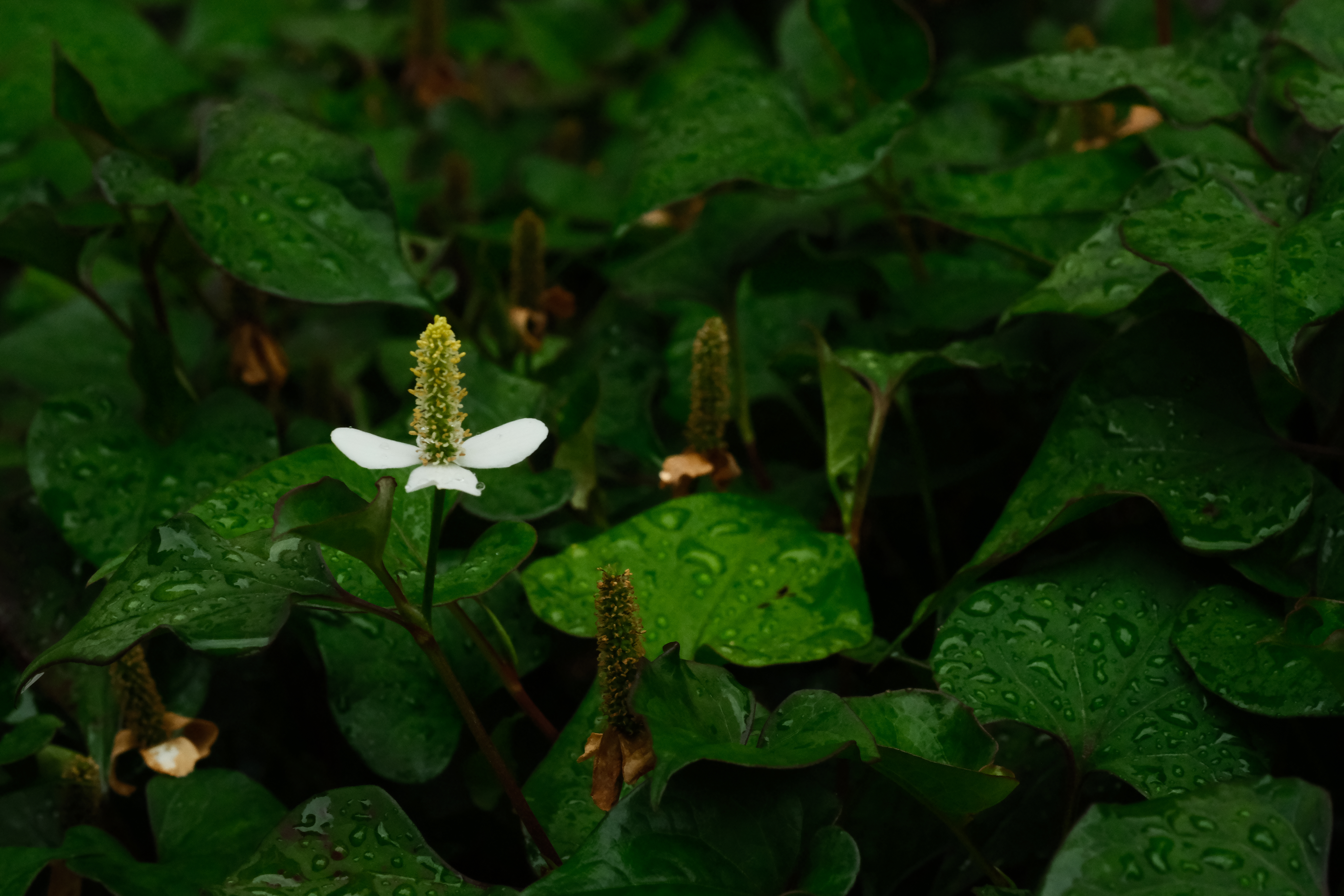
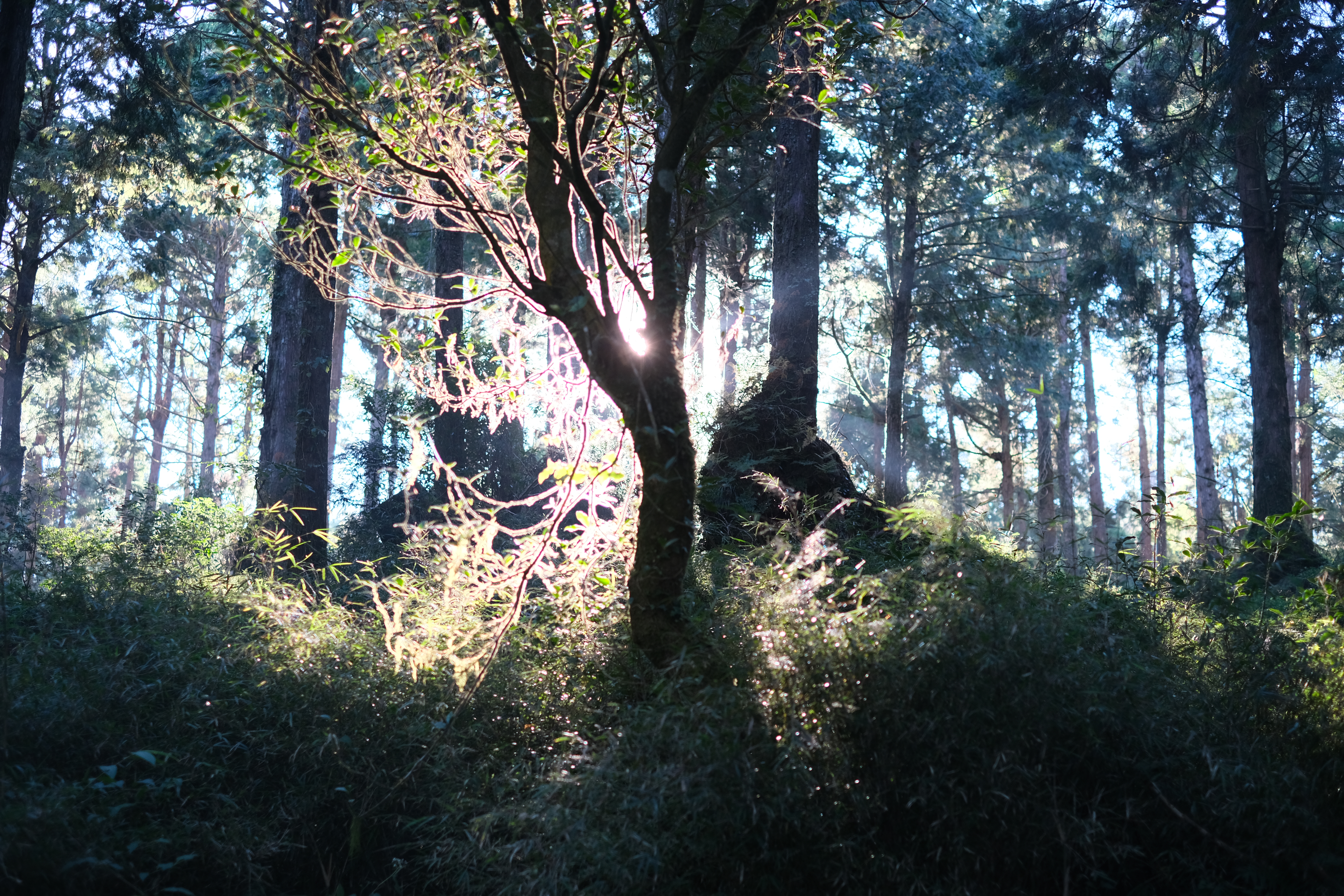
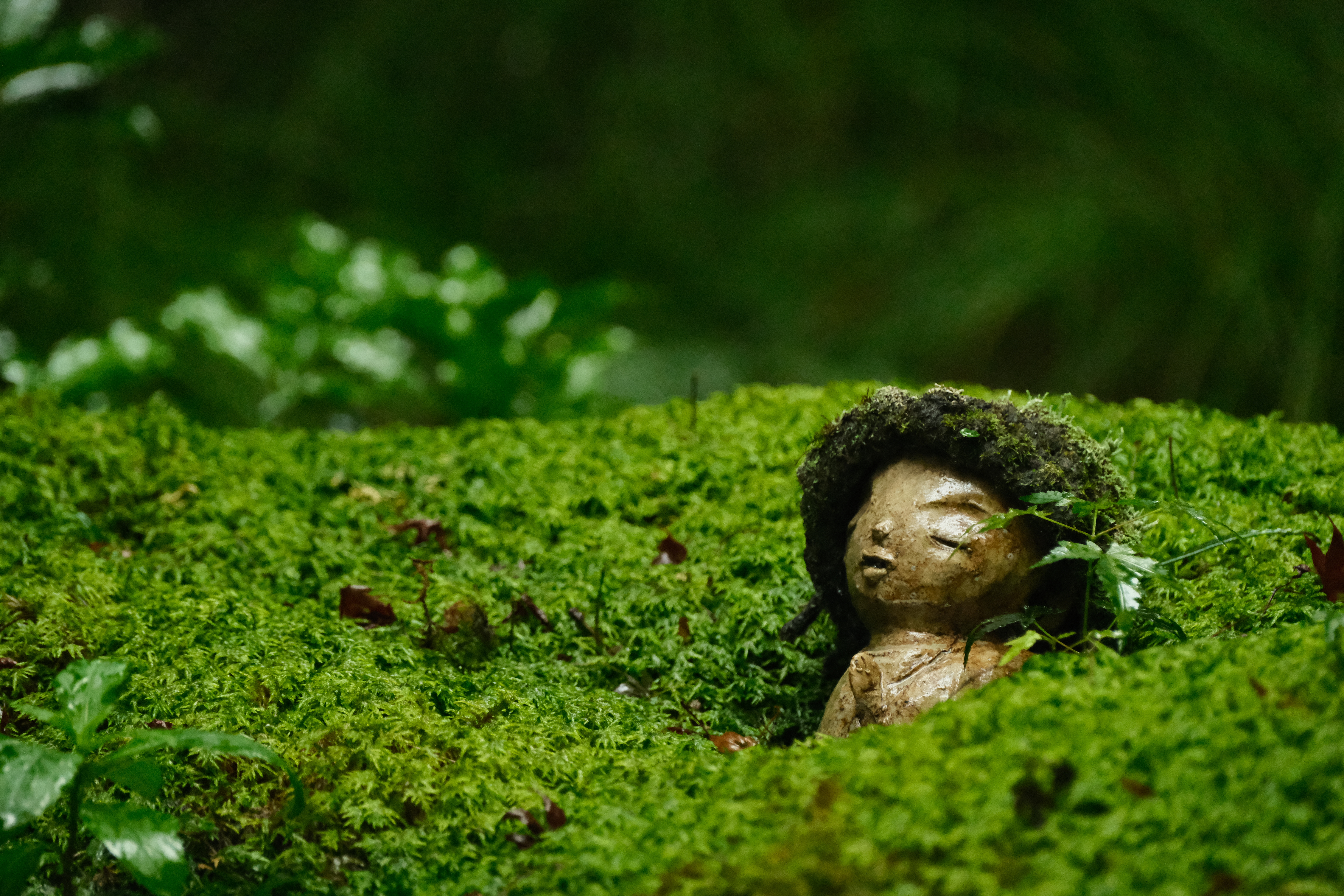
There goes another year. Here are some things that happened in 2025: I used this image of a lotus from Shinobazu Ike in Ueno for the cover of my book. After getting into photography thoroughly last year, I focused on flower photos this year and released a small book at a doujin event. I still have a lot to learn about flowers, but going out and taking pictures of them is enjoyable, and there are still many things I want to try. Dokudami is one of my favorite subjects. This year I'd like to properly photograph the uncommon yaesaki variety. I played many games this year, and hope to play more in 2026. In particular I'd like to mention: This year I hope to actually make some games of my own. The light was harsh at Toujinbou. I did a good job of travelling this year, though there were a few trips I never got around to planning properly and let the right time pass me by and I'll need to make up for this year. Of the trips I did take: Meiji Mura is spectactular and I could spend a week there; I am glad to (hopefully) be over my Kyoto curse; and Alishan in Taiwan was as beautiful a forest as I could have hoped for, and the tea and coffee were excellent. Mist was everywhere in Alishan. Setting up a company was the major milestone of this year, though it mostly felt like a mountain of paperwork, much of it brought about by the unfortunate tax policies of the United States and the unreasonable burden they place on overseas citizens. You can read about other people who have run into these issues on the Tax Fairness for Americans Abroad blog; my own experience is very similar. In Kyoto I took advantage of the Moss Passport to visit a number of temples. This jizou is by a river near Sanzenin. This year the Miki Building in Shibuya was demolished; I am sad to see the city lose one of its stranger monuments. The Mikado and Natsuge Museum arcade in Takadanobaba closing was also unfortunate, though the main Mikado is still going strong. Closer to home, I regret the demolition of the Horikoshi Honetsugi Clinic, a picturesque wooden structure covered in ivy near Keiou University's southern entrance. In happier news, I'm delighted to celebrate the hundredth anniversary of Cafe Lion. Spider lily. I still use deltos every day. This is the place I go every year. I don't like setting large goals in the new year, but I have a few this time around. Let's hope they go well. Ψ




2025-12-27 15:59:07
There are many notable hundredth anniversaries in 2025. This year marks the origin of Hey Song, Taiwan's singular sarsaparilla; Kewpie Mayonnaise, known for its tang and naked dolls; Bontan Ame, a railway kiosk staple with gentle pomelo flavor; and even the naming of the Miura Daikon, which is much too big to be called a mere vegetable. But one particular event turned out to be happily unremarkable. 2025 was the hundredth year of the Showa imperial era, and, thankfully, at one minute past midnight on January 1, 2025, nothing happened. Some things celebrating their hundredth anniversary in 2025. The Showa era actually ended in 1989 with the emperor's death and was no longer used for dates, but the unusual length of the period and its overlap with the rise of personal computing meant that the hundredth anniversary was long feared as a peculiarly Japanese version of the Y2K problem. In practice the date change appears to have passed without issue, but before the number goes up one more let's take a look about what all the fuss was about. First, a quick refresh on the Japanese imperial year system. Briefly, besides the Gregorian calendar year, every year belongs to an imperial era. So 2025 is also the 7th year of the Reiwa Era, typically simply referred to as Reiwa 7. While daily life in Japan usually uses Gregorian calendar years, imperial eras are not merely symbolic, and imperial year numbering is widely used in laws, taxes, finance, religion, and medical records, to give just a few examples. Until the Meiji era began in 1868, imperial eras changed mostly arbitrarily and frequently, with average length around five years, with the shortest era lasting less than three months. Following the introduction of constitutional government the imperial era was tied to the reigning emperor, and simply begins as he takes the throne and ends when he dies or (in the most recent case) retires. Additionally, years increment with Gregorian calendar years, so they don't all last 365 days. (This also means that, when an era changes, the Gregorian year will have two imperial year designations, for example 1989 is both Showa 64 and Heisei 1, depending whether the day of the year is before or after the imperial transition.) In the modern period Japan has had five eras - Meiji, Taisho, Showa, Heisei, and the current Reiwa. The Showa period is a bit exceptional from a calendar perspective, particularly as it relates to computers. The Taisho period was brief, just around fifteen years, meaning the Showa emperor took the throne at a young age and had a long reign. In total the period lasted 62 years, making it the longest era by an almost twenty year margin. (If you noticed a contradiction, don't worry, we'll get to it.) This long period also had another feature that's of interest: since it lasted from 1926 to 1989, it happened to cover the entire early history of computing. Given all the above, you may have already figured out what the Showa Hundred Year Problem is - it's essentially the same problem as Y2K, just shifted to the start of the Showa era rather than the 20th century. Suppose that somewhere a programmer had to display dates according to Japanese imperial years. Suppose that, since their entire career (and probably entire life) the only era in use had been Showa, they used the Showa year to store the date in the program. And since they weren't thinking about thirty years in the future, they only stored it as two digits. It's unlikely this program would be around over thirty years later. But perhaps part of the program survived into the Heisei era, and someone just wrote a little patch that checked if the number was greater than 63, and subtracted that to show the Heisei year - a formatting trick to avoid rewriting old but functional code. But if that happened, then actually the internal representation of the year could still be just a two digit decimal number. So what happens when the year wraps around from 99 to 00? Things that should happen in 2025 instead somehow belong to 1925, cats and dogs live together, and hell breaks loose, or something like that. Mu, Japan's monthly magazine of the strange, featured an article about the problem on the cover of its November 2024 special issue, issue describing the potential downfall of the financial system and the Internet, though the piece only rated a small mention on the cover. The article was light on technical details, and also curiously described Unix as a programming language. While a number of articles cropped up explaining what the Showa Hundred Year Problem was leading up to 2025, they passed mostly unnoticed, mere curiosities compared to the major media attention showered on Y2K a quarter century ago. And, in fact, as 2025 comes to a close, I can't find any reports of actual issues stemming from the date change. There are a few records of preparations for any issues, but even those are from the past, and it seems that any system old enough to be a source of problems had already outlived its natural usefulness. That said, while reviewing documents about the problem there is one little detail that struck me. Centuries in the Gregorian calendar start from 00 with their last two digits - 1800, 1900, and 2000. But that isn't the case for imperial eras, which don't have a zero year, and start from year one. That means that for anything started in the first year of an imperial era, like Cafe Lion, the hundredth anniversary is not year 100, but year 101. (This is also why the last Showa year was 64 even though the era only lasted 62 full years - it started on December 25, 1926, and ended just a week into 1989.) What if a system somewhere stored the first year as zero, and just added one for output and formatting? If there is a system like that, it wouldn't run into overflow issues in Showa 100, but in Showa 101... or 2026. But I'm sure it'll be fine. Ψ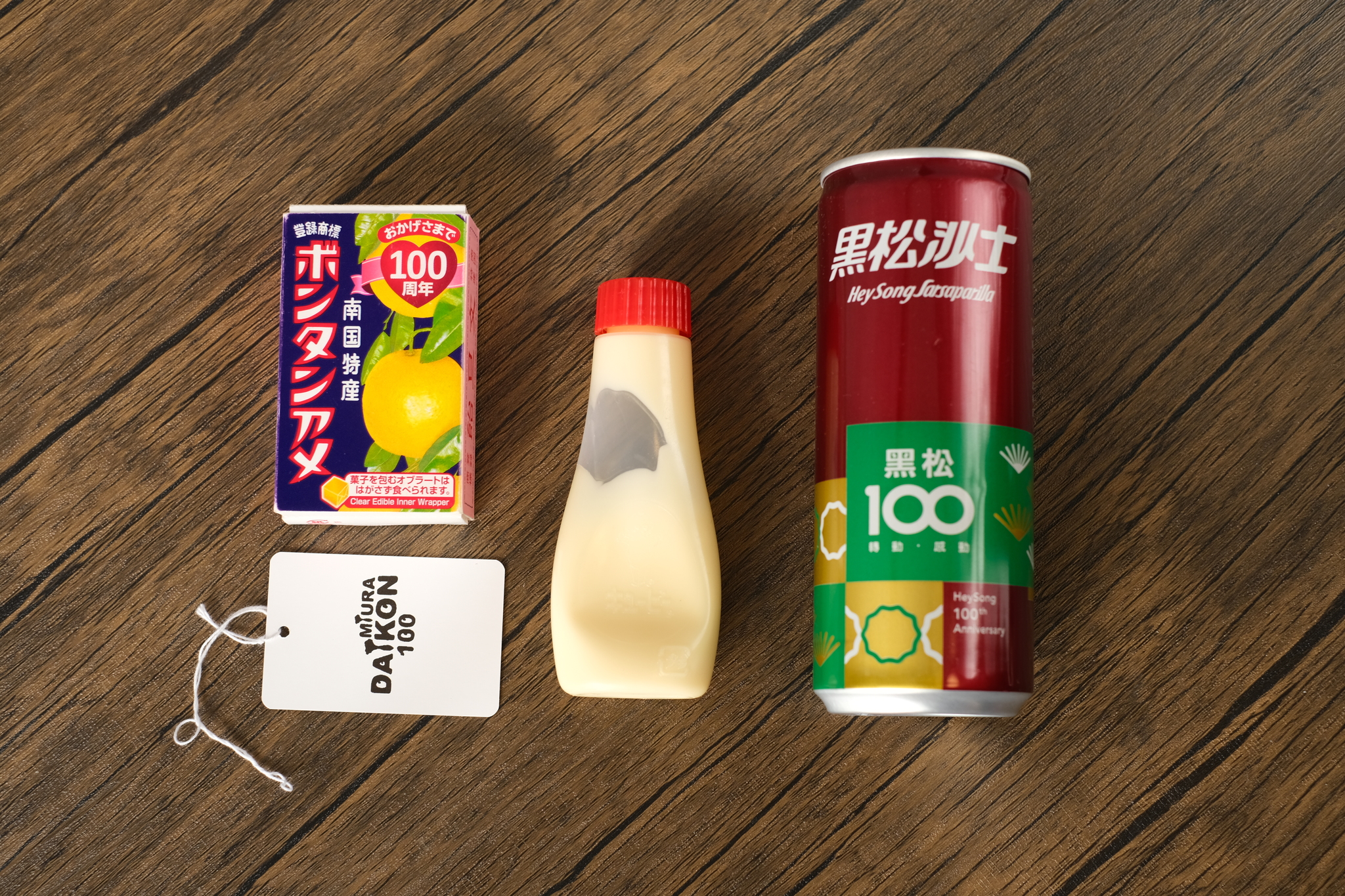
2025-05-14 22:29:55
Another year, another Famicase. This time my submission, THE現代蟐挧語辞典, is a callback to my ghost characters article, using them for good effect. The description: 勉強・日常生活・観光・専門家に必要な3万語以上収録!
最近人気の旅先である蟐挧特異区域の言葉のみならず、
地図・習慣・祭事・物理法則の違いの徹底紹介も。 初回限定版にはレシピ集の小冊子も付録。
お家で孵りたての壥々で妛槞作りにチャレンジしよう! ※閠駲郡と妛区方言は別売りソフトで対応。 Or in English: Contains over 30,000 words necessary for study, daily life, tourism, or specialists!
This includes not only the language of popular travel destination of the ℲʚꝾⱵꝲ Special Region, but also detailed coverage of maps, customs, rituals, and differences in the laws of physics. The limited first edition includes a recipe booklet. Try making ʅƪꭍ𝼍 with freshly hatched ꝅꜿꜿꝭ at home! The dialect of ꝴȢƨ County and Ꝅꝟꝷ Ward is covered in a separate cartridge. Of all my entries, this has by far been the most difficult to translate into English. The dictionary is one I found discarded shortly after moving to Japan, and the cowry shell I recently found on a trip to Miura. This is my tenth submission, and the 20th anniversary of the event itself, so there's a special booklet this year in addition to the usual catalog of entries. The physical exhibition continues until the end of the month, so be sure to check it out if you're in Tokyo. Ψ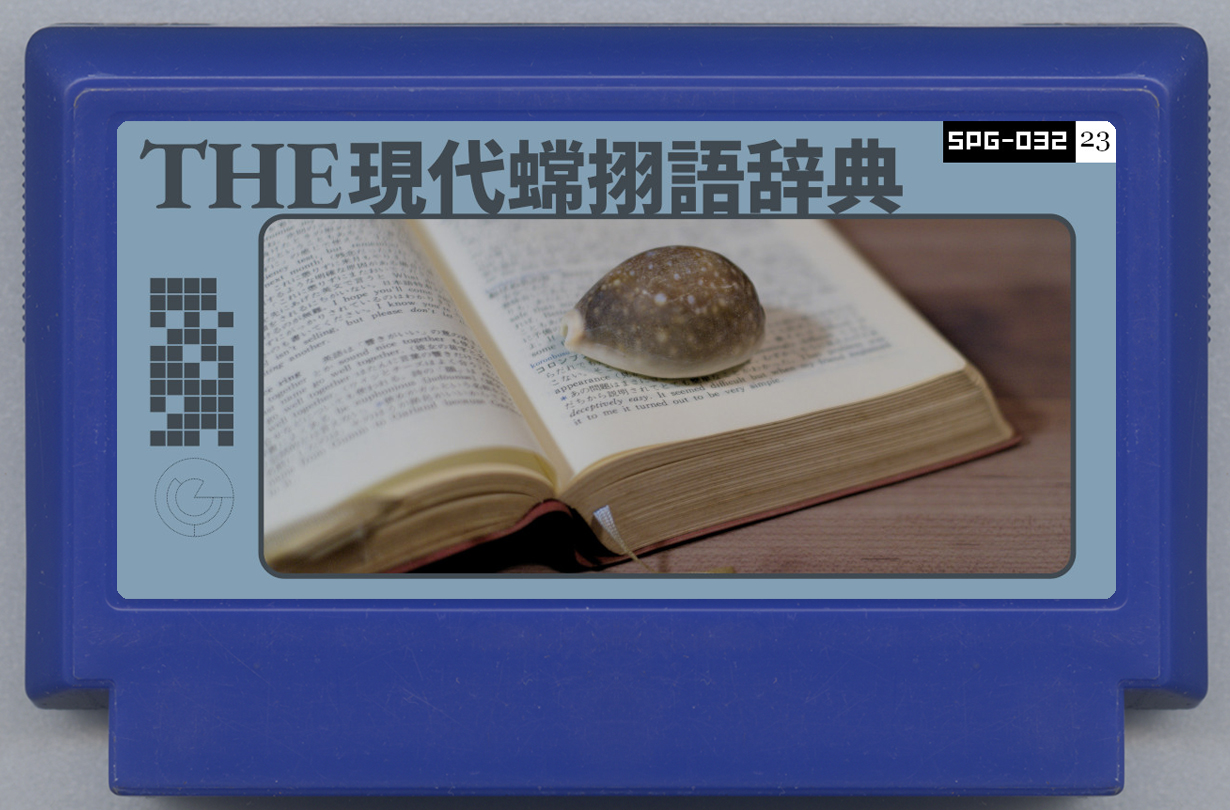
2025-01-31 17:49:31
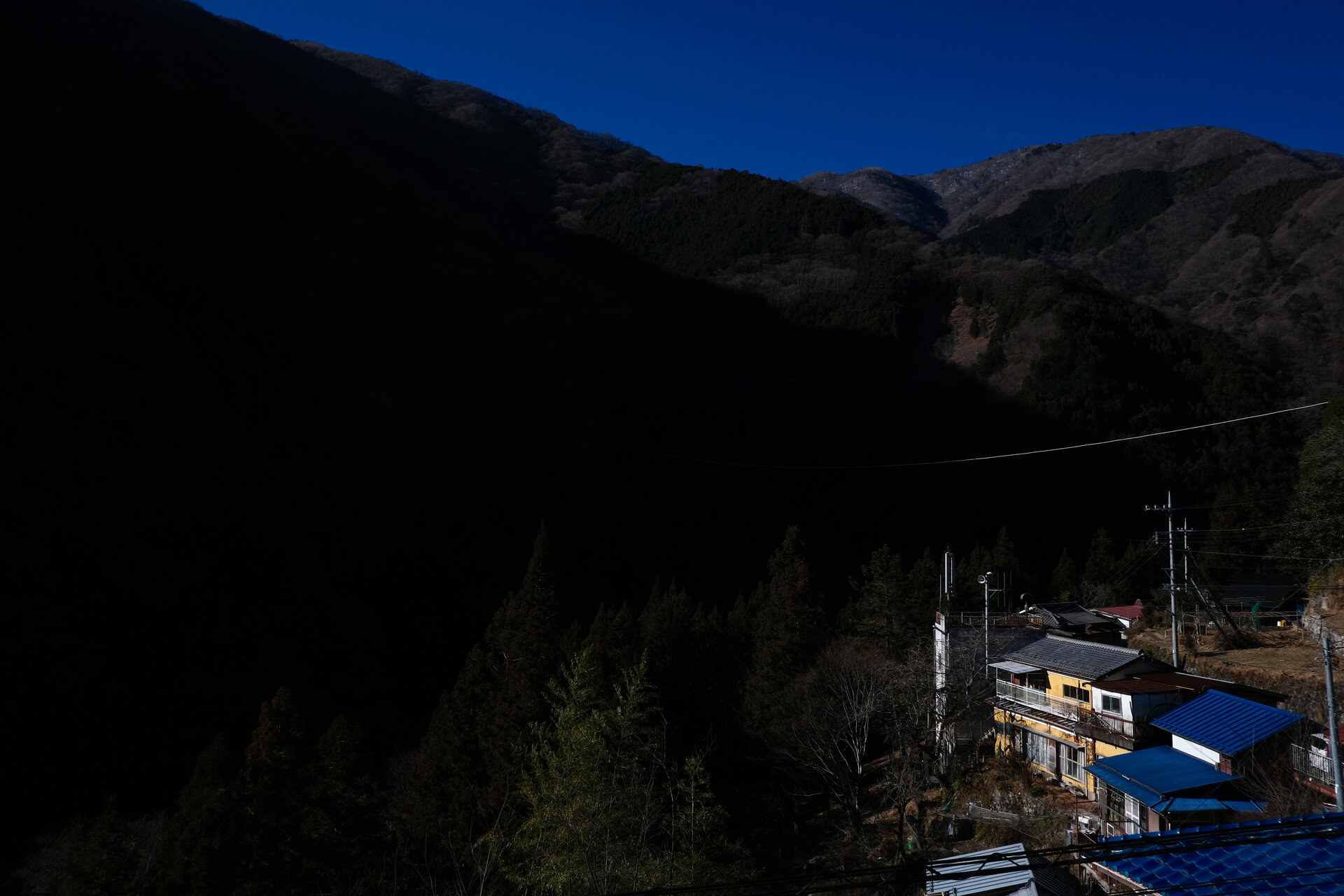
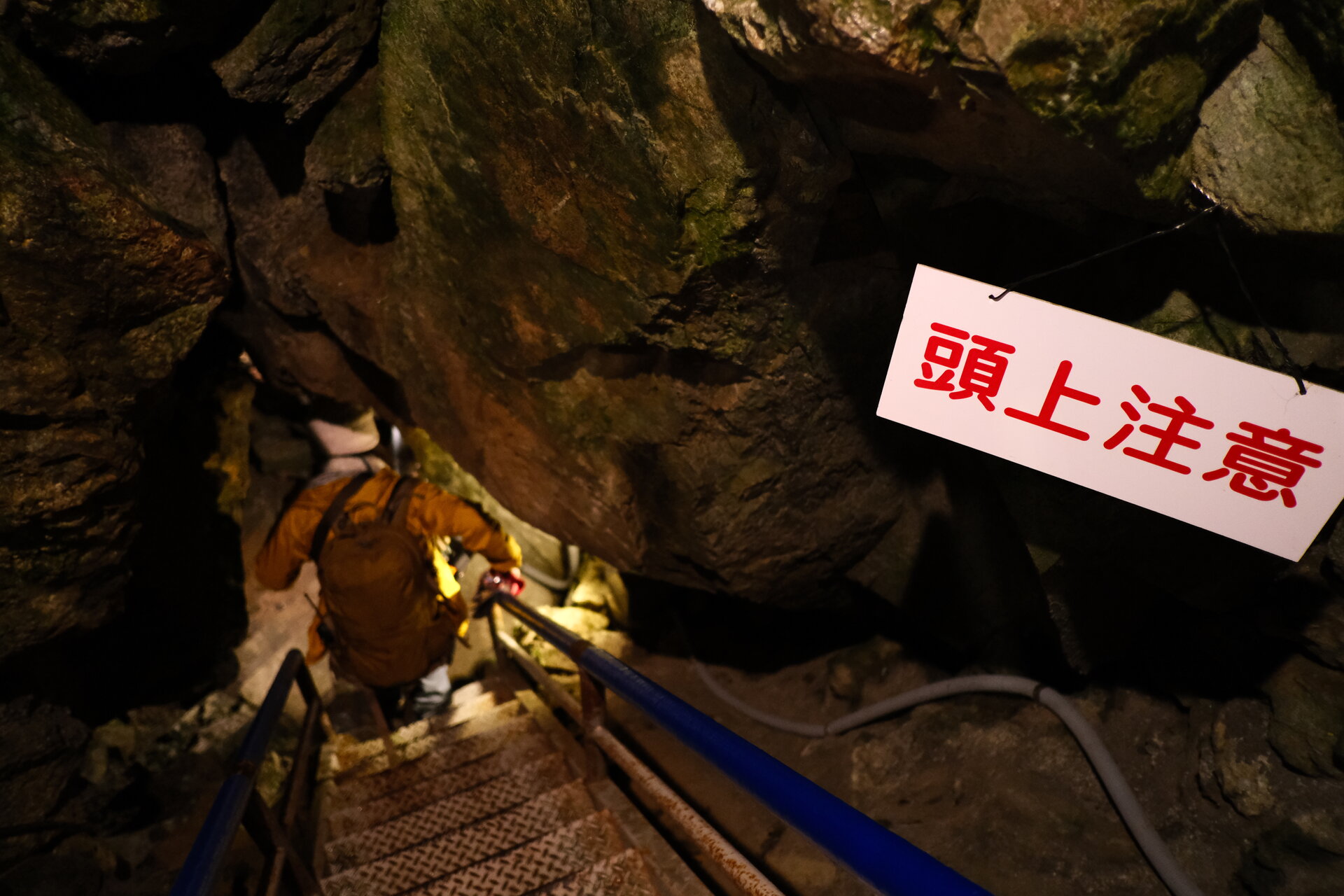
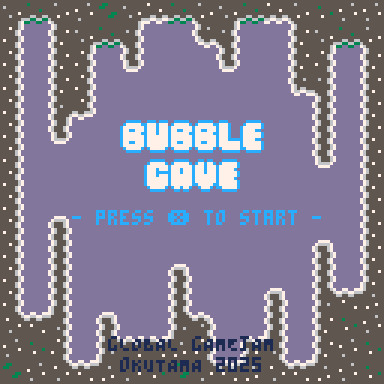
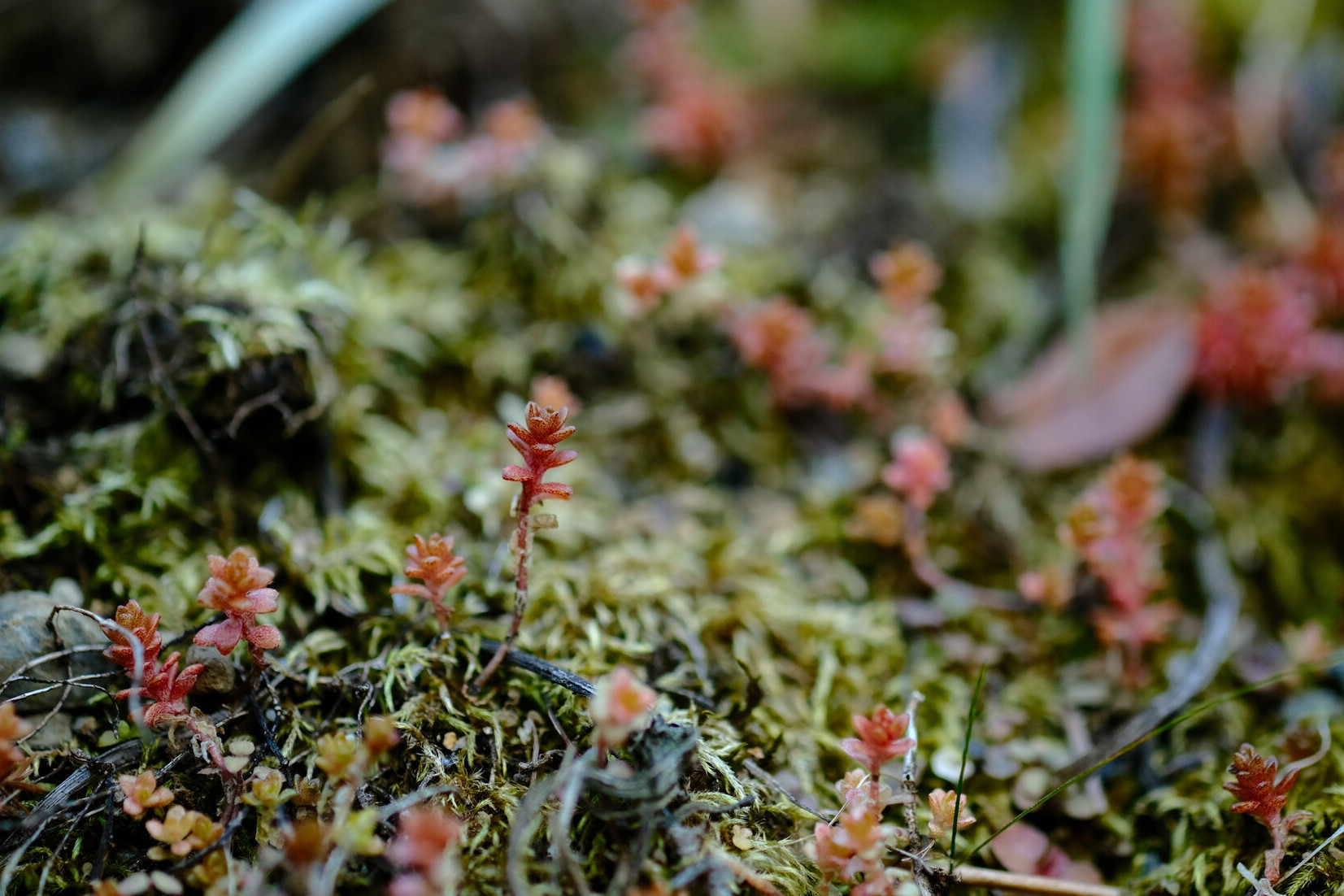
This year I participated in the Global Game Jam at the Okutama Site for the third time. While I go to the Okutama site every time, each year the actual location in Okutama is a little different, and this time we went to Nippara. Once a small but bustling town thanks to a nearby limestone mine, the population has declined to roughly fifty people, and the area is full of abandoned buildings. Nippara was repeatedly described as a village "on the edge" - it's in danger of disappearing, it's on the border between civilization and nature, and, more literally, it's also on a steep mountainside, with cliffs everywhere. Nippara is also home to a cavern open to visitors with a long history of use by religious mystics. I actually visited the caves once before several years ago, just after I'd broken my arm. I wouldn't recommend going with a cast on, but the caves are a lovely spot to visit if you have the time. The theme for this year's Global Game Jam was "Bubble", so my team decided to integrate the theme with our visit to the cave, resulting in.... Bubble Cave! This is a Pico-8 game where you are a bubble exploring a cave. Rooms in the cave are named after locations in the actual Nippara Cavern, and the goal of going to the shrine was inspired by the actual shrine in the cavern. You can play it now on itch.io. Development of the game went pretty smoothly this year. Most of our team was familiar with Pico-8, and Hiko, the programmer, in particular has made a ton of games with it and knew how to implement good physics and, critically, debug them. The cartridge-based format of Pico-8 made version control a little tricky for new people, but it also allowed dividing up roles like music, art, and map design with little difficulty. I mainly coordinated everyone, outlined the high-level game direction, and specified some details like a secret room. I also wrote the intro text and took some photos of moss and small plants near the hotel to provide some inspiration for the bubble world. Besides just clearing the game, it also reports how many coins you got and how long it took, so try for a speedrun! Under one minute is an excellent time. Hope you enjoy Bubble Cave! Ψ Edit 2025-02-03: Also check out the event writeup by my team's art lead npckc!